About Galileo AI
A tribute to evidence, not authority
Galileo AI is inspired by Galileo Galilei — not as a symbol of rebellion, but as a symbol of discipline: the idea that claims about reality must answer to evidence, not status, confidence, or tradition.
Centuries ago, Nicolaus Copernicus helped shift humanity's understanding of the cosmos. Galileo defended that evidence-based worldview and paid a steep personal price, including condemnation and restriction under the Roman Inquisition.
That story matters today because we're building systems that don't just describe reality — they influence decisions inside it.
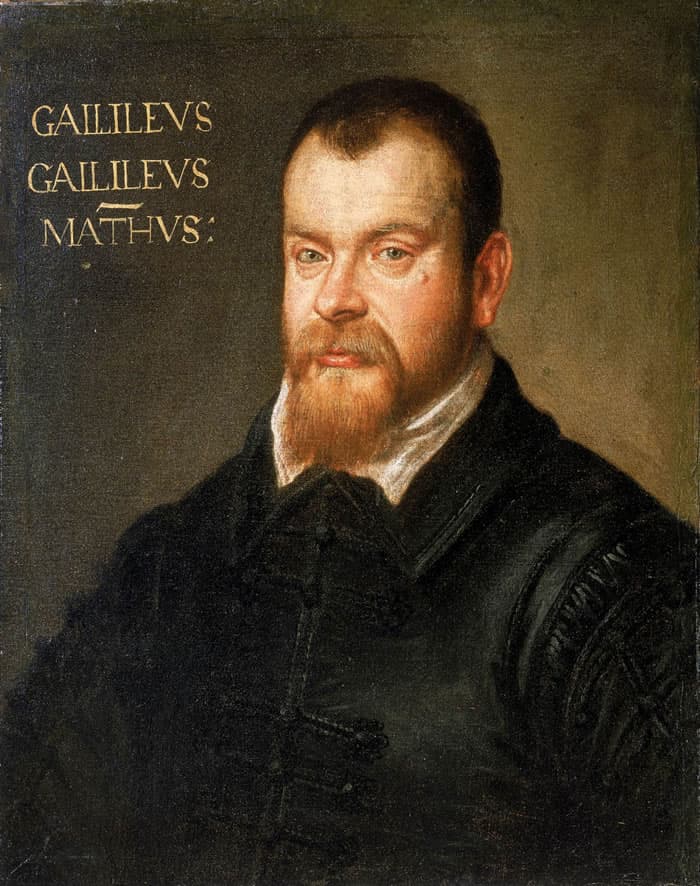
Galileo Galilei

Galileo's Study
The modern problem
LLMs can be brilliant and still be wrong.
They can sound confident while being ungrounded.
They can “complete” an answer even when the truth is: they don't know.
If we accept that behavior, we get a world where:
- fluent outputs replace facts
- confidence replaces calibration
- speed replaces correctness
- and users stop being able to tell the difference
Galileo AI exists to prevent that.
The Galileo Standard for LLM behavior
In Galileo AI, models are not judged by style, cleverness, or persuasion.
They're judged by realistic, reliable behavior.
The standard:
- Reality-aligned — Prefer verifiable claims. Don't invent details to fill gaps.
- Grounded by default — If sources/context are missing, say what's missing and what would verify it.
- Calibrated uncertainty — If the model isn't sure, it must say so clearly — no fake precision.
- Transparent assumptions — Separate facts vs assumptions vs guesses.
- Consistency under repetition — Similar inputs shouldn't produce chaotic shifts without cause.
- Non-dogmatic updating — New evidence should update outputs cleanly — no narrative defense.
This is what “truth-first” looks like in practice.
What Galileo AI does
Galileo AI is an evaluation + analytics layer that turns model selection into an engineering decision.
It helps you:
- compare multiple LLMs across the same datasets and cases
- detect regressions when models update
- track truthfulness, consistency, and calibration over time
- expose trade-offs: quality vs latency vs cost
- make model choice repeatable, explainable, and defensible
In short: we test the truth before we trust the model.
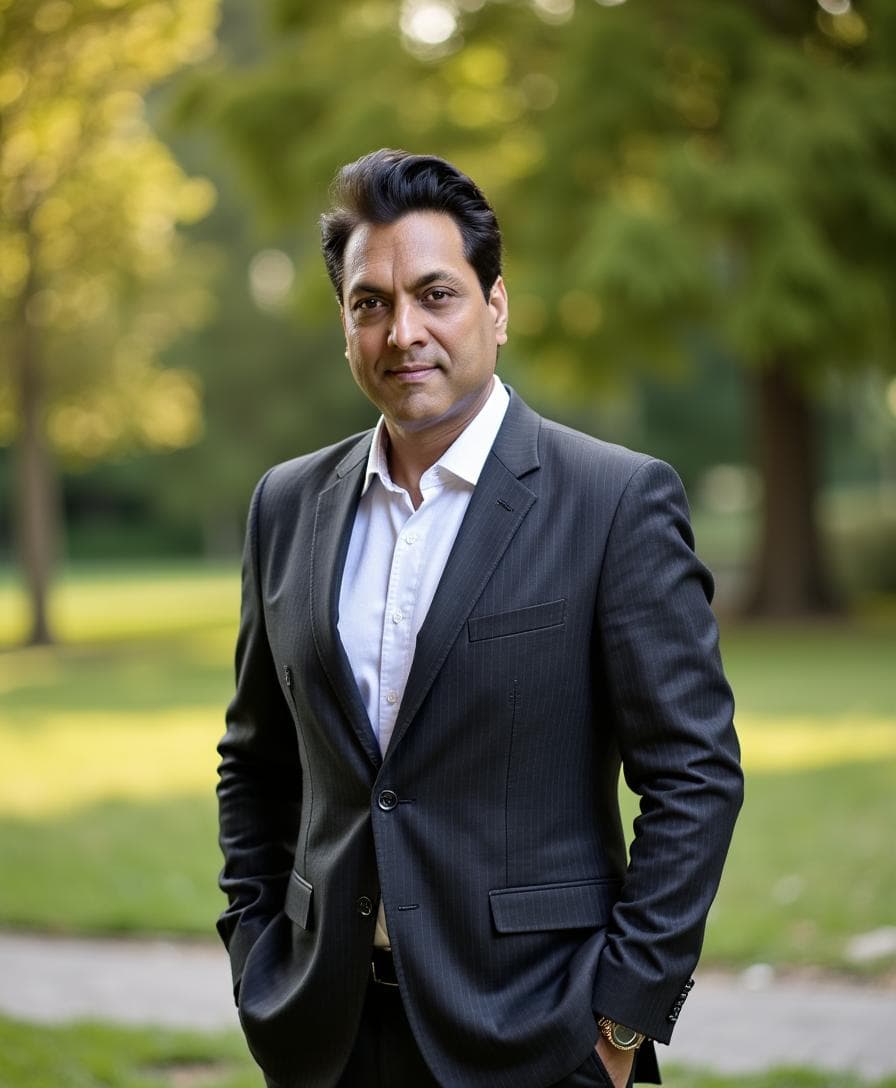
About Me
Ateet Bahamani · AI Architect / AI Engineer
I'm Ateet Bahamani, an AI Architect building AI systems with one obsession: reliability at scale.
My work sits at the intersection of:
- LLM evaluation & analytics (measuring what matters, not what looks good)
- agentic workflows with guardrails (tools + memory + structure, without chaos)
- clean architecture (systems that stay maintainable as they grow)
- fullstack execution (backend + frontend, ship end-to-end)
I build AI products that behave like responsible instruments: grounded, honest, and repeatable : not just impressive demos.
If you're building with LLMs and you care about truthfulness, quality, and decision-grade reliability, I'm always open to connect and collaborate.